Fictional Characters Are Winning Fashion Week: How Anime Style Took Over Gen Z's Wardrobe and Playlist
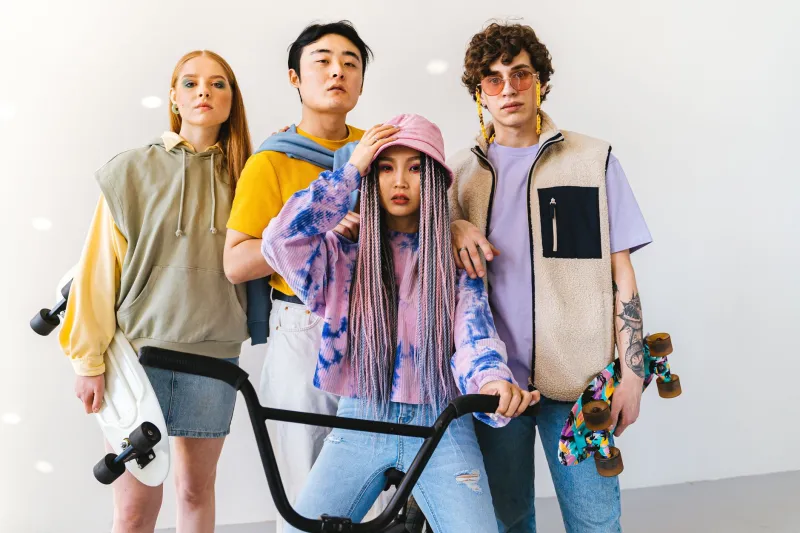
There's a moment in every cultural shift where you stop and think, wait, when did this become normal? That moment for anime fashion probably happened somewhere between a Doja Cat music video and your third TikTok in a row featuring a girl in a school uniform-inspired coord with a Hatsune Miku keychain swinging from her bag. Anime isn't just something Gen Z watches anymore — it's something they wear, listen to, and build entire identities around. And the influence is spreading faster than a new season of One Piece.
Let's talk about how we got here, which shows are actually driving it, and why a cartoon character from Japan has more sway over a 19-year-old in Ohio than any Vogue cover model.
The TikTok Pipeline: From Screen to Streetwear
If you want to understand how anime became a fashion force, you have to start on TikTok. The platform's algorithm doesn't care about industry gatekeepers — it just rewards what resonates. And what resonates with younger users, hard, is the hyper-expressive visual language of anime.
Search #animefashion or #animecore on TikTok and you're looking at billions of combined views. Creators aren't just cosplaying — they're translating. They're taking the ruffled thigh-highs from Spy x Family's Anya, the deconstructed school uniform energy of Evangelion, or the dark layering of Demon Slayer characters and rebuilding those looks with thrifted pieces, Shein hauls, and ASOS finds. It's not costume play. It's genuine style inspiration.
Instagram has followed suit. Aesthetic boards built around specific shows — Fruits Basket cottagecore, Bleach grunge, Sailor Moon Y2K revival — rack up hundreds of thousands of saves. These aren't niche corners of the internet anymore. They're mainstream mood boards.
Which Shows Are Actually Setting the Trends
Not every anime carries equal fashion weight. A few titles have punched especially hard into Western style culture.
Sailor Moon never really left, but it's had a full-blown renaissance. The show's color palette — pastels, moons, stars, bows — has been referenced in collections by brands like Lazy Oaf and countless Depop sellers. The iconic odango hairstyle is practically a Gen Z trademark at this point, showing up everywhere from music festival photos to Brooklyn street style shoots.
Neon Genesis Evangelion hit different when it landed on Netflix in 2019, and the fashion world noticed. The show's clinical color blocking, the plugsuit aesthetic, and its general vibe of beautiful melancholy aligned perfectly with the Y2K revival and indie sleaze resurgence. Supreme, Palace, and a dozen smaller streetwear labels have all nodded to EVA at some point.
Chainsaw Man brought something darker and more chaotic into the mix. Denji's messy, unpolished look — the kind of guy who looks like he just crawled out of a fight and somehow made it work — became a reference point for the anti-clean aesthetic that's been circulating in menswear spaces. Blood-red accents, distressed layers, and disheveled charm: it's an entire mood.
Jujutsu Kaisen gave us Gojo Satoru, who might be the most fashion-forward anime character of the decade. The blindfold, the fit, the whole effortless cool-guy energy — there are entire Reddit threads dedicated to recreating his casual fits in real life. When a fictional sorcerer has a stronger style game than most celebrities, something significant has shifted.
Music Is In On It Too
Fashion and music have always overlapped, and anime's influence hasn't stopped at clothing. It's embedded itself into the sonic and visual identity of a whole generation of artists.
Lil Uzi Vert has been vocal about anime's influence for years — their album art, music video aesthetics, and personal style all carry clear references. Bladee and the whole Drain Gang universe built an aesthetic that's deeply indebted to anime's more surreal, ethereal visual traditions. Rico Nasty's high-energy, chaotic visual identity pulls from the same well as shows like Kill la Kill.
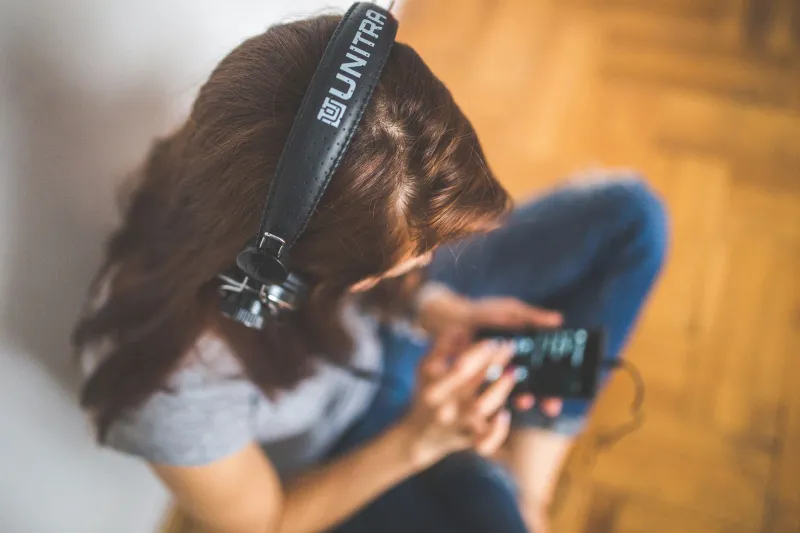
Beyond individual artists, the lo-fi hip-hop scene — you know, the "girl studying" streams that basically soundtracked the pandemic — is inseparable from anime aesthetics. Those streams didn't just play music; they presented a whole visual world drawn from slice-of-life anime that made the genre feel warm, nostalgic, and aspirational all at once.
More recently, hyperpop and digicore artists have leaned hard into anime-adjacent visuals for their album covers and live show aesthetics. The connection between the maximalist, emotionally raw energy of certain anime and the genre's musical ethos is genuinely organic — it's not just slapping a Naruto reference on something for clout.
Why Characters Beat Celebrities
Here's the part that's actually kind of fascinating from a cultural theory standpoint: for a significant chunk of Gen Z, animated characters are more compelling style icons than real people. Why?
A few reasons. First, characters exist outside the messiness of real celebrity culture. They don't get canceled, they don't have bad takes on Twitter, and they don't show up looking rough at an airport. They're consistent. Sailor Moon will always be Sailor Moon.
Second, anime character design is intentional in a way that real-world fashion rarely is. Every color choice, every silhouette, every hair detail is a deliberate decision made by artists trying to communicate personality and emotion through visuals. That level of intentionality is genuinely inspiring for people who think deeply about how they present themselves.
Third — and this is big — anime offers more variety of body types, styles, and aesthetics than mainstream Western fashion does. Not perfectly, not without its own problems, but there's a breadth of character design in anime that lets different people find different points of connection. That inclusivity, even when imperfect, matters.
What This Means Going Forward
Major brands have started paying attention. Levi's, Crocs, and Uniqlo have all done official anime collaborations in recent years. Nike's anime-adjacent drops sell out in minutes. Fast fashion brands are openly designing pieces that nod to anime aesthetics without licensing anything, because the visual language has become so widespread it's almost impossible to pin down.
The more interesting question is what happens as this influence matures. Right now, it's still got an energy of genuine enthusiasm — fans translating something they love into how they show up in the world. The risk, as with any trend that gets too big, is that it gets flattened into something safe and marketable and loses the actual soul of what made it compelling.
But for now? The anime girl summer — and autumn, and winter — is very much in session. And honestly, the fits are incredible.