Hidden Roots: How Today's Biggest Manga Hits Are Quietly Borrowing From 90s Series You've Never Heard Of
There's a quiet conversation happening inside modern manga that most readers are completely missing. It's not in the dialogue. It's not in the author's notes tucked into volume extras. It's woven into the bones of the story — in the way a character is framed during a pivotal scene, in a narrative structure that mirrors something published thirty years ago, in a thematic preoccupation that a creator clearly never let go of.
Today's manga landscape gets a lot of credit for innovation. And sure, some of it is genuinely new. But a significant chunk of what feels fresh in 2024 is actually a sophisticated remix of ideas that were quietly cooking in the late 80s and 90s — in series that never got wide Western distribution, never landed a proper English translation, and never made it to Toonami or Adult Swim. They were read by a generation of Japanese creators who grew up on them, and those creators are now running the medium.
Let's talk about what's actually going on.
The 90s Wasn't Just Dragon Ball and Sailor Moon
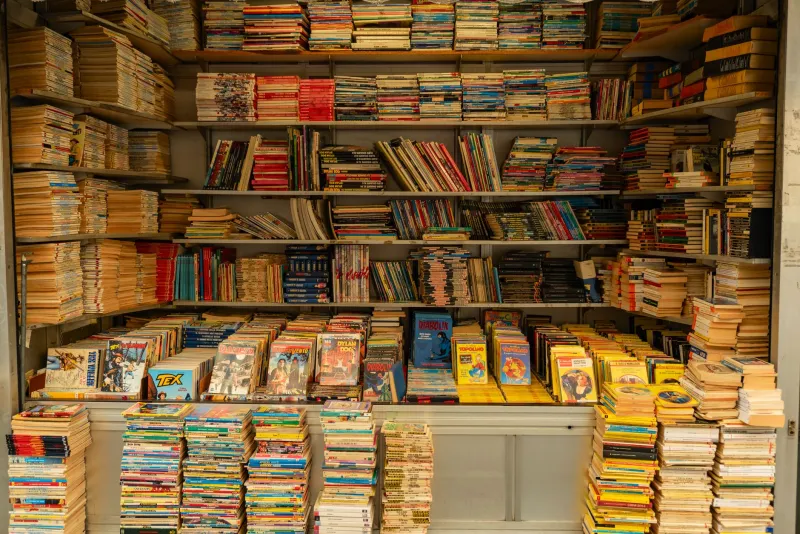
When American fans think about 90s manga, the mental shortlist is pretty predictable. Dragon Ball Z. Sailor Moon. Berserk. Maybe Yu Yu Hakusho or Ranma ½ if you're feeling adventurous. But the actual publishing landscape of that era was enormous — and deeply weird in the best possible way.
Series like 3×3 Eyes by Yuzo Takada were doing morally complex supernatural horror with a female lead who defied every shonen convention of the time. Bastard!! was weaponizing heavy metal aesthetics and dark fantasy tropes in ways that felt genuinely transgressive. Lucifer and the Biscuit Hammer — technically early 2000s but spiritually a 90s child — was deconstructing the magical hero genre years before deconstruction became manga's favorite buzzword.
These weren't fringe titles in Japan. They had dedicated readerships, influenced other creators, and left fingerprints everywhere. The problem is that most American fans simply never had access to them, which means the callbacks happening in modern series look like originality when they're actually lineage.
Frieren and the Ghost of Quiet Fantasy
Take Frieren: Beyond Journey's End, which has become one of the defining manga and anime experiences of the last few years for US audiences. The melancholy tone, the way it meditates on memory and the passage of time through a long-lived protagonist — a lot of Western readers are treating this as something entirely new.
But creators working in Japan's fantasy space have been circling this emotional territory since at least the early 90s. Titles like The Legend of Mother Sarah by Katsuhiro Otomo's collaborator Takumi Nagayasu were asking similarly heavy questions about survival, loss, and what persists after catastrophe. Nausicaä of the Valley of the Wind obviously gets its flowers, but the quieter, more character-introverted fantasy manga that followed in its wake? Almost totally forgotten in the West.
Frieren's author, Kanehito Yamada, has spoken in interviews about being shaped by older fantasy works. The DNA is there if you know where to look.
Chainsaw Man's Punk Ancestors
Tatsuki Fujimoto gets described constantly as a singular voice — and he is, genuinely. But Chainsaw Man's chaotic energy, its contempt for traditional shonen emotional beats, its gleeful willingness to destroy characters the reader has invested in — this isn't coming from nowhere.
The punk, nihilistic strain of 90s manga was real and it was doing a lot of this first. Dorohedoro — which began serialization in 2000 but is deeply rooted in that late-90s underground aesthetic — is the obvious bridge. But go further back and you find series like Biomega predecessor works and the grotesque action manga that populated Monthly Sunday GX and similar anthology magazines. These weren't bestsellers. They were cult objects. And they clearly got passed around in the right circles.
Fujimoto has cited Fire Punch's own inspirations openly enough that it's clear he's a student of manga history, not just a disruptor of it.
Structural Echoes in Oshi no Ko
Here's one that's a little more technical. Oshi no Ko uses a structural trick in its opening act — a dramatic tonal pivot that reframes everything the reader thought the story was about — that feels startling and modern. But this kind of narrative bait-and-switch has roots in 90s titles that were experimenting with reader expectations in similar ways.
Narutaru by Mohiro Kitoh is maybe the starkest example. It opens looking like a cheerful monster-companion adventure and then systematically dismantles that expectation in increasingly dark ways. Bokurano, Kitoh's follow-up, does the same thing with even more structural confidence. These series were largely under the radar in the US, but they represent a real tradition of manga using genre expectations as a trap — a tradition that Oshi no Ko is clearly participating in, whether consciously or through absorbed influence.
Why This Matters for Your Reading List
Here's the practical upside of all this: once you start seeing the connections, you get a whole second reading list for free.
If you love the elegiac fantasy mood of Frieren, tracking down older quiet fantasy manga — even in fan translation form — gives you context that deepens your appreciation and surfaces stories you'll genuinely love. If Chainsaw Man is your thing, the underground grotesque action tradition has a ton to offer. If Oshi no Ko's structural confidence is what hooked you, Kitoh's catalog is waiting.
The 90s wasn't a monolith of spiky-haired fighters and magical girl transformations. It was a genuinely diverse publishing era full of experimentation, and a lot of that experimentation went undocumented in English-language fan culture because the internet wasn't there yet to capture it.
The Quiet Acknowledgment
What's interesting is that modern manga creators aren't exactly hiding this. Author comments, interviews, and the occasional dedication page drop references to older titles pretty regularly — they just don't get amplified because Western media coverage of manga tends to focus on what's new and what's selling.
There's also something almost protective about it. These creators grew up loving obscure series that never got their due. Embedding references to them in massively successful modern work is a way of keeping those titles alive, of saying this mattered, even if you didn't know it.
That's actually kind of beautiful when you think about it. The biggest manga of the moment are functioning as time capsules for the forgotten ones.
Start Digging
If you want to actually engage with this stuff, the starting points aren't hard to find. 3×3 Eyes has partial English releases. Narutaru and Bokurano are both translated. The Legend of Mother Sarah has a Dark Horse release. Fan translation archives cover a lot of the rest, and communities like MangaDex have made obscure catalog titles more accessible than they've ever been for US readers.
The modern manga you love didn't appear out of thin air. It came from somewhere — from a generation of artists who read strange, ambitious, overlooked comics and decided to carry something forward. Finding those origins doesn't make the new stuff feel less impressive. It makes the whole medium feel bigger, stranger, and more alive than you probably realized.