Isekai Is Eating Itself Alive — Here's How to Tell the Good Stuff From the Slop
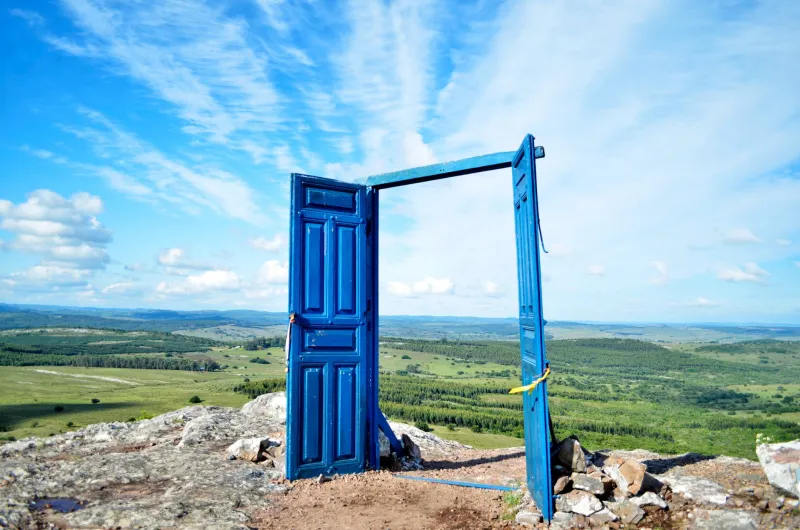
At some point in the last five years, isekai stopped being a genre and started being a delivery mechanism. A regular person gets transported to a fantasy world, discovers they're inexplicably powerful, collects a harem of devoted companions, and proceeds to casually dominate every obstacle the world throws at them. Roll credits, announce season two.
If you've been watching anime for more than a couple of years, you've seen this cycle so many times it's practically load-bearing at this point. And yet — and this is the part that's genuinely fascinating — American audiences keep watching. The genre keeps growing. New isekai shows debut every single season, many of them with nearly identical premises, and they find audiences anyway.
So what's actually going on here? And more importantly: how do you find the isekai that's worth your time?
How We Got Here: The Isekai Gold Rush
The genre didn't start as a content mill. Early isekai like Inuyasha and The Vision of Escaflowne used the "transported to another world" premise as genuine narrative scaffolding — a way to explore identity, belonging, and the gap between who we are and who we could be. The protagonist's outsider status actually meant something.
Then Sword Art Online hit in 2012, and everything changed. SAO wasn't the first isekai to go mainstream, but it was the first to crack the Western streaming market wide open at exactly the right moment — Netflix and Crunchyroll were expanding, anime was becoming more accessible, and suddenly there was a massive hungry audience for exactly this kind of escapist fantasy. Publishers and studios noticed. Light novel adaptations exploded. The template calcified.
By 2020, the isekai pipeline had become self-sustaining. Light novels would borrow successful tropes, get adapted into manga, then anime. The titles started reading like elaborate jokes: I Was Reincarnated as a Sword, The World's Finest Assassin Gets Reincarnated in Another World as an Aristocrat, Trapped in a Dating Sim: The World of Otome Games is Tough for Mobs. The genre began satirizing itself before critics even had a chance to.
The Tropes That Broke the Genre
Let's name them, because naming them is the first step toward recognizing when a show is using them thoughtfully versus just leaning on them as a crutch.
The Overpowered Protagonist (OPP) Problem is probably the biggest offender. When your main character can solve every conflict by simply being stronger than everyone else, dramatic tension evaporates. Stakes require the possibility of failure. Remove that, and you're basically watching someone do homework.
The Harem Accumulation Loop is a close second. Characters join the protagonist's party not because of compelling relationship dynamics but because the show needs to expand its cast of devotees. Individual personalities blur together. Romantic tension gets diffused across so many characters it becomes meaningless.
The Explained-to-Death World is a subtler killer. Isekai shows love their game mechanics — stat screens, skill trees, level-up notifications. When the rules of the world are interesting, this can be fun. When every episode is 40% exposition about how the magic system works, it stops being storytelling and starts being a tutorial.
Why American Audiences Keep Watching Anyway
Here's the uncomfortable honest take: mediocre isekai works really well as comfort content. There's a reason these shows pull solid streaming numbers even when critics pan them. The power fantasy is effective. Watching someone who was ordinary become extraordinary, in a world with clear rules and clear rewards, scratches a very specific itch — especially for an American audience that grew up on video games and superhero movies.
There's also the completionist trap. Once you've invested a few episodes in a world, even a generic one, the sunk cost keeps you watching. Isekai shows are often fine — not bad enough to quit, not good enough to rave about. They exist in a comfortable middle space that streaming algorithms love because it keeps watch time up.
None of this is a moral failing. Comfort content is legitimate. But you deserve to know when you're eating fast food versus an actual meal.
The Isekai That Are Actually Doing Something
Okay, here's what you actually came for. These shows use the isekai framework as a starting point rather than a destination.
Re:Zero − Starting Life in Another World is the obvious first recommendation, and it earned that status. The show takes the OPP premise and weaponizes it against the protagonist — Subaru's power is dying and resetting, which sounds useful until you understand what that actually costs him psychologically. Re:Zero is genuinely interested in trauma, obsession, and the limits of determination. Season 2 in particular is some of the best psychological storytelling in recent anime.
Made in Abyss technically qualifies as isekai-adjacent (a descent into an unknown world rather than a truck-kun situation), but it belongs in this conversation because it treats its world with genuine darkness and consequence. Children suffer here. The rules of the world are cruel. Nobody is protected by protagonist status.
The Saga of Tanya the Evil flips the power fantasy completely. The protagonist is ruthlessly competent, genuinely amoral, and the show never asks you to root for them uncritically. It's an isekai that's actually interested in ideology and the horror of institutional systems.
Mushoku Tensei: Jobless Reincarnation is complicated — the show has real problematic elements that you should go in aware of — but its craft is undeniable. The world-building is dense and patient, the protagonist's growth is earned rather than given, and it treats the isekai premise with more narrative seriousness than almost anything else in the genre.
Ascendance of a Bookworm is the underrated gem on this list. A book-lover reincarnated in a world without books decides to make books from scratch. It's slow, it's cozy, it's deeply nerdy, and its protagonist succeeds through knowledge and stubbornness rather than combat power. It's the anti-isekai isekai.
The Filter You Actually Need
When evaluating a new isekai, ask yourself three questions: Does the protagonist's power come with genuine cost or limitation? Does the world have stakes that exist independently of the protagonist's presence? Is the supporting cast made of actual characters or accessories?
If the answer to all three is no, you're probably looking at content. If even one answer is yes, it might be worth a few episodes.
Isekai isn't dying — there's too much money in it for that. But the genre's best work is being done by creators who understand that "transported to another world" is a premise, not a plot. The world you land in only matters if the landing actually costs something.