Dubs Don't Suck Anymore — And Honestly, They Haven't for a While
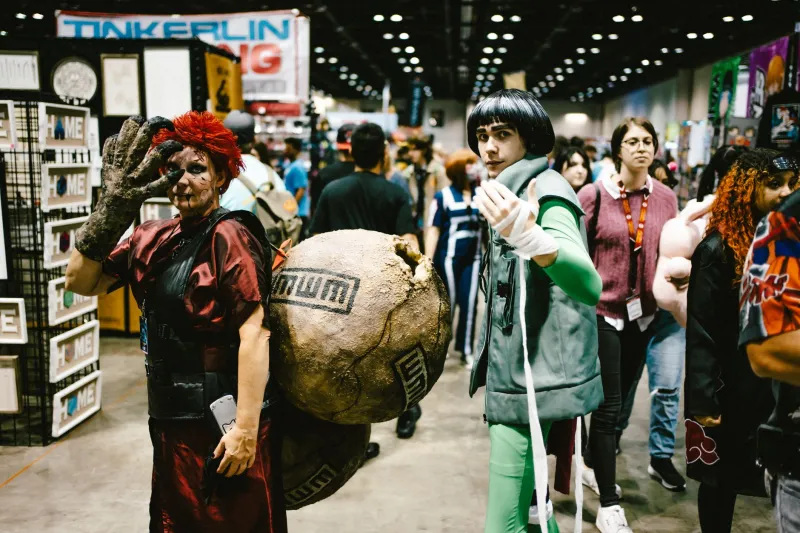
There's a conversation that every anime fan of a certain age has had. You're at a convention, or a Discord server, or just hanging out with your group, and someone admits they watch dubs. The room shifts. Someone sighs. Someone else pulls out the "subs are just objectively better" speech like it's a prepared statement.
But here's the thing — that conversation is becoming a lot less common. And it's not because dub fans finally gave up. It's because the dubs got genuinely, undeniably good.
Where It All Went Wrong (And Why We Still Remember)
To understand why the dub stigma stuck around so long, you have to go back to the 90s and early 2000s. The era of Saturday morning edits, 4Kids censorship, and voice direction that seemed to prioritize speed over emotion. Fans who tracked down fansubs of Dragon Ball Z or Sailor Moon heard something completely different — raw performances, original music, actual character names. The gap felt massive.
And honestly? It was. Early localization was often rushed, underfunded, and creatively constrained. Studios were trying to sell a product to American kids, not preserve an artistic vision. The results ranged from charming-but-clunky to outright bizarre. Those memories calcified into a fandom rule: subs are serious, dubs are for casuals.
The problem is that the industry didn't stay frozen in 1998. The fans who grew up on those awkward dubs eventually became the voice directors, the casting agents, and the producers. They knew what was wrong. And they fixed it.
The Turning Point Nobody Can Agree On
Ask ten anime fans which dub changed the game and you'll get ten different answers, which is actually kind of beautiful. For some, it was Cowboy Bebop — Steve Blum's Spike Spiegel is one of those rare cases where a huge chunk of the fanbase actively prefers the English version. For others, it was Fullmetal Alchemist: Brotherhood, where the cast had already built years of chemistry and brought it back with serious emotional weight.
More recently, shows like My Hero Academia have created genuinely passionate dub fanbases. Clifford Chapin's Bakugo and Justin Briner's Deku aren't just acceptable alternatives — they're performances people quote, clip, and defend with the same energy that sub fans bring to the table. The Demon Slayer dub sparked similar conversations, with Zach Aguilar's Tanjiro earning praise that crossed the sub/dub divide.
What shifted wasn't just talent — it was process. Modern dubbing studios like Funimation (now under Crunchyroll's umbrella) and NYAV Post have invested in longer recording sessions, better voice direction, and casting choices that prioritize emotional fit over marquee names. Actors are given more room to interpret rather than just lip-sync.
The Technical Reality Most Fans Don't Think About
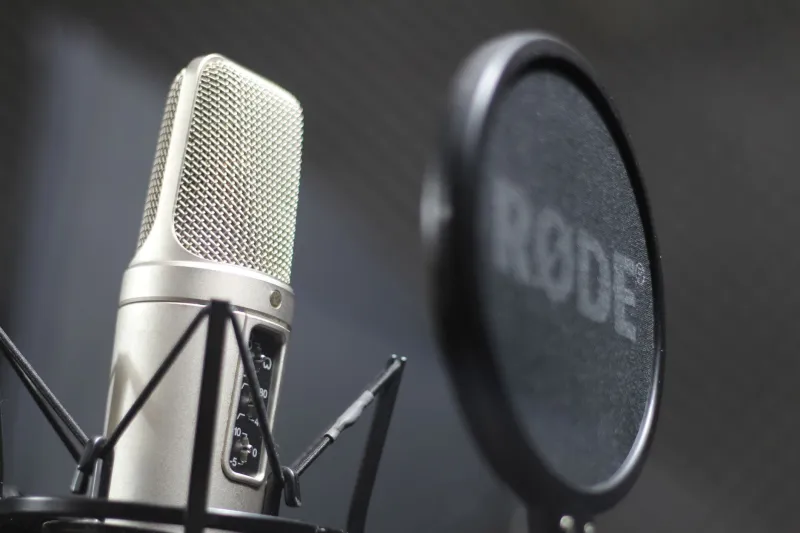
Here's something worth sitting with: dubbing anime is genuinely hard in ways that don't get enough credit. You're not just translating words. You're matching mouth flaps, preserving emotional beats, navigating cultural references that don't have direct English equivalents, and doing all of it in a recording booth without your scene partners.
Localization writers like Zack Rozon and Alex von David have talked openly about the tightrope walk involved — staying faithful to the source while making dialogue that sounds like something a human being would actually say out loud. A direct translation can be linguistically accurate and still feel completely wooden when spoken. The best dub scripts find a middle path that honors the original while breathing naturally in English.
Voice directors are the unsung heroes of this whole process. Someone like Caitlin Glass or Kyle Phillips isn't just cueing actors — they're shaping performances, managing consistency across dozens of episodes, and making real-time decisions about what the show needs emotionally. That's a creative job, full stop.
Why Younger Fans Are Just... Over the Debate
If you spend any time in anime spaces populated by fans who came up on Crunchyroll and Netflix rather than fansubs and DVD rentals, you'll notice something: the sub vs. dub war means a lot less to them. And that's not apathy — it's a pretty healthy perspective.
For a lot of Gen Z fans, dubs and subs are just two ways to watch the same show. They'll switch based on context — subs when they're focused, dubs when they're doing something else, whichever version they happened to start with. The gatekeeping narrative that treating dubs as a valid option somehow makes you a lesser fan doesn't land the same way when you grew up with both options readily available.
Streaming deserves real credit here. When Crunchyroll started offering SimulDub — releasing dubbed episodes within days or weeks of Japanese broadcast rather than months or years later — it removed one of the last practical arguments against dubs. You no longer had to wait a year behind the conversation to watch in English. The playing field leveled out fast.
The Performances That Deserve More Recognition
Let's take a second to just appreciate some work that doesn't get enough shine. Cherami Leigh's Asuna in Sword Art Online carried a character through wildly inconsistent writing and made her feel real. Patrick Seitz's Dio Brando in JoJo's Bizarre Adventure became a meme machine for a reason — that performance is committed and hilarious in the best possible way. Laura Bailey has built a career that spans anime, video games, and live-action partly on the strength of what she developed doing dub work.
These aren't footnotes. They're legitimate artistic contributions to stories that millions of people love.
What Comes Next
The dub landscape is still evolving. Newer streaming-exclusive titles sometimes skip dubs entirely due to budget constraints, which creates its own frustrating access gap — particularly for fans who are deaf or hard of hearing, or for whom reading subtitles while watching animation is genuinely difficult. That's a real equity conversation the industry needs to keep having.
But the trajectory is clear. English dubbing has moved from an embarrassing necessity to a craft that produces work worth seeking out on its own terms. The old hierarchy — subs serious, dubs shameful — was always more about fandom gatekeeping than actual quality. The performances were getting better long before the culture caught up.
Watch what you want. Watch it the way that lets you love it most. And maybe retire the sigh when someone mentions they prefer the dub.