Your Childhood Anime Lied to You — Here's Which 2000s Classics Actually Hold Up
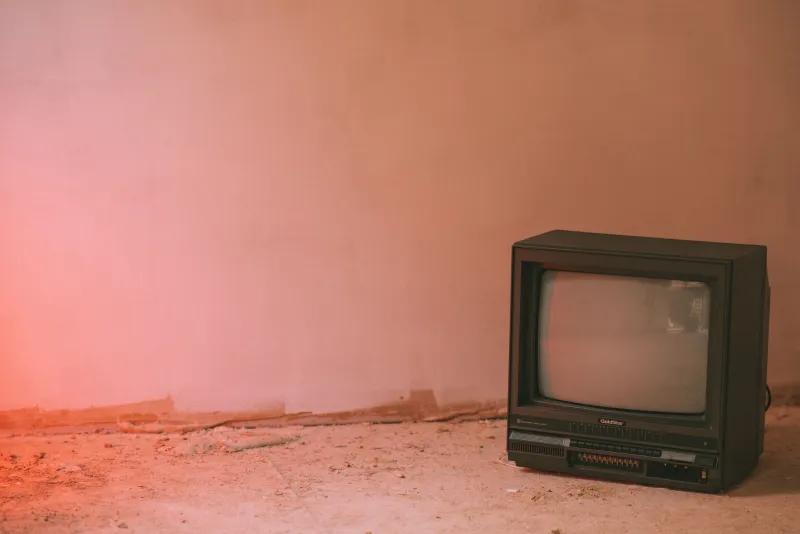
There's a specific kind of disappointment that hits when you sit down to rewatch an anime you absolutely loved as a kid and realize, somewhere around episode four, that it's... kind of a mess. The pacing drags. The female characters barely exist outside of their relationship to the male lead. The animation that felt jaw-dropping on a Saturday morning looks stiff and dated on your 4K TV. You start to wonder if you were just really easy to impress at twelve years old.
The answer, honestly? Yeah. Kind of. But that's not the whole story.
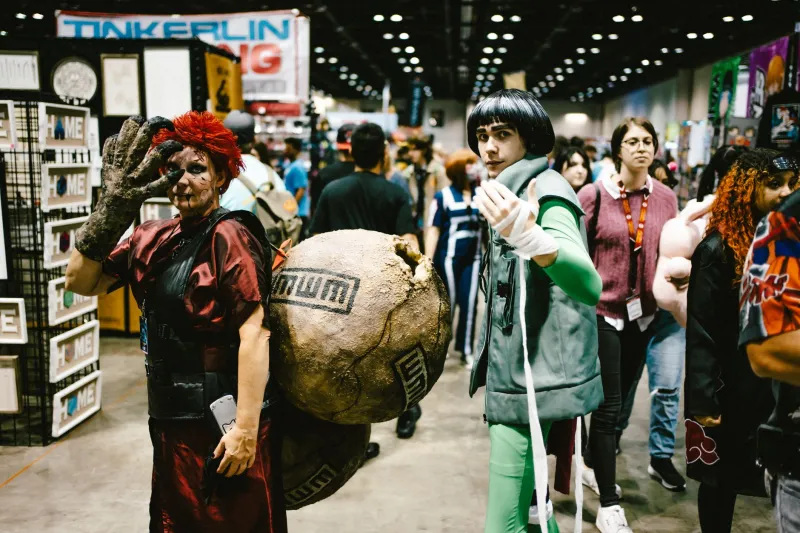
Nostalgia is one of the most powerful forces in entertainment consumption, and anime fans — especially those of us who grew up in the US catching whatever Cartoon Network or FUNimation threw at us in the early 2000s — are particularly susceptible to it. The shows we watched during formative years get fused with emotion, identity, and memory in ways that have nothing to do with actual quality. So when we go back and rewatch them as adults, we're not just watching a show. We're interrogating our own past. And sometimes the show doesn't survive the interrogation.
Why Nostalgia Warps the Whole Picture
Here's the thing about memory: it edits. Your brain doesn't store a 1:1 recording of every episode of Inuyasha you watched after school. It stores the feeling — the excitement, the comfort, the sense of discovery. The actual content gets smoothed out. The filler arcs disappear. The repetitive transformation sequences get compressed into a single highlight reel. What you remember is essentially a greatest hits version of a show that, in real time, had a lot of filler and some genuinely questionable writing choices.
When you go back and watch the full thing, you're suddenly experiencing the unedited cut. And for a lot of early 2000s anime, that unedited cut includes some stuff that's hard to sit with — not just by today's standards, but by any reasonable standard of storytelling craft.
The Pacing Problem Is Real
One of the biggest culprits is pacing, and it's not entirely the shows' fault. A huge chunk of early 2000s anime was running alongside its manga source material, which meant writers had to stretch episodes to avoid catching up. That's how you get episodes that are essentially recap with a new scene bolted on at the end. It's how you get fight arcs that take six episodes to resolve a battle that lasts ten minutes in the manga.
Shows like Naruto and the original Fullmetal Alchemist are textbook cases. The core story in both is genuinely compelling — there's a reason they built massive fanbases. But rewatching them now means sitting through enormous stretches of wheel-spinning content that felt tolerable on a weekly release schedule and feels brutal when you're binge-watching. The emotional payoff is still there. Getting to it is just a lot more work than you remembered.
Animation Quality: It's Complicated
Animation is another place where nostalgia does some heavy lifting. Early 2000s TV anime was largely working with limited budgets and weekly production schedules that left very little room for consistency. There are episodes of beloved shows from this era where the character designs visibly shift between scenes, where action sequences rely on speed lines and still frames to fake motion, where the "sakuga" moments that fans lose their minds over today would have been completely unremarkable.
That said, this doesn't mean the animation is bad in any meaningful sense — it means it was operating within the constraints of its time and budget. Some of it still holds up surprisingly well precisely because the artists knew how to work within those limitations. Trigun, for example, has a visual style that feels intentional even when it's cutting corners. Cowboy Bebop — which technically straddles the late 90s and early 2000s — remains a masterclass in using limited animation purposefully. The shows that struggle most on rewatch are the ones that leaned on spectacle without the craft to back it up.
The Cultural Context Shift Is the Hardest Part
Here's where it gets genuinely complicated: some of what feels off about rewatching 2000s anime isn't just a craft issue. It's a cultural context issue. Tropes that were standard at the time — the constant jokes about a female character's body, the romantic framing of relationships with significant age gaps, the way LGBTQ+ characters were either played for laughs or treated as tragic — land very differently now. Not because audiences have become oversensitive, but because the culture around these depictions has shifted in ways that make the subtext harder to ignore.
This doesn't automatically mean a show is unwatchable. It means you're watching it with more information than you had the first time. That can actually be valuable — it gives you a more complete picture of what these stories were saying about the world they were made in. But it does change the experience, sometimes significantly.
So Which Shows Are Actually Worth Revisiting?
Here's a rough guide based on what tends to survive the rewatch test:
Worth revisiting: Fullmetal Alchemist: Brotherhood (the 2009 remake, not the 2003 original — though the original has its defenders), Cowboy Bebop, Trigun, Azumanga Daioh, Paranoia Agent, and Wolf's Rain. These either hold up structurally, have a distinctive enough artistic vision to transcend their limitations, or both.
Approach with managed expectations: Inuyasha, the original Fullmetal Alchemist, Yu Yu Hakusho, and Rurouni Kenshin. There's real quality buried in all of these, but you'll have to work for it. Go in knowing about the pacing issues and you'll have a better time.
Probably better left as a memory: Some of the more formulaic shonen and harem titles from the era that were riding trends rather than setting them. You know the ones. If you can't remember a single specific plot point beyond the general vibe, that's usually a sign the show was always more atmosphere than substance.
Nostalgia Isn't the Enemy
None of this is meant to tell you that loving these shows was wrong or that your memories are invalid. The connection you built with anime during those years was real, and it shaped a lot of who you are as a fan today. That matters.
But there's something genuinely useful about being able to look at the thing you loved clearly — to separate the emotional resonance from the actual craft, to understand why something hit you so hard at twelve and why it hits differently at thirty. It makes you a sharper viewer. It makes the shows that do hold up feel even more impressive. And it makes the nostalgia itself more honest — less of a trap, more of a starting point.
The 2000s gave us some legitimately great anime. It also gave us a lot of stuff that was right place, right time, right age. Knowing the difference doesn't diminish either category. It just means you're watching with your eyes open.